USB 3D Gauss Meter
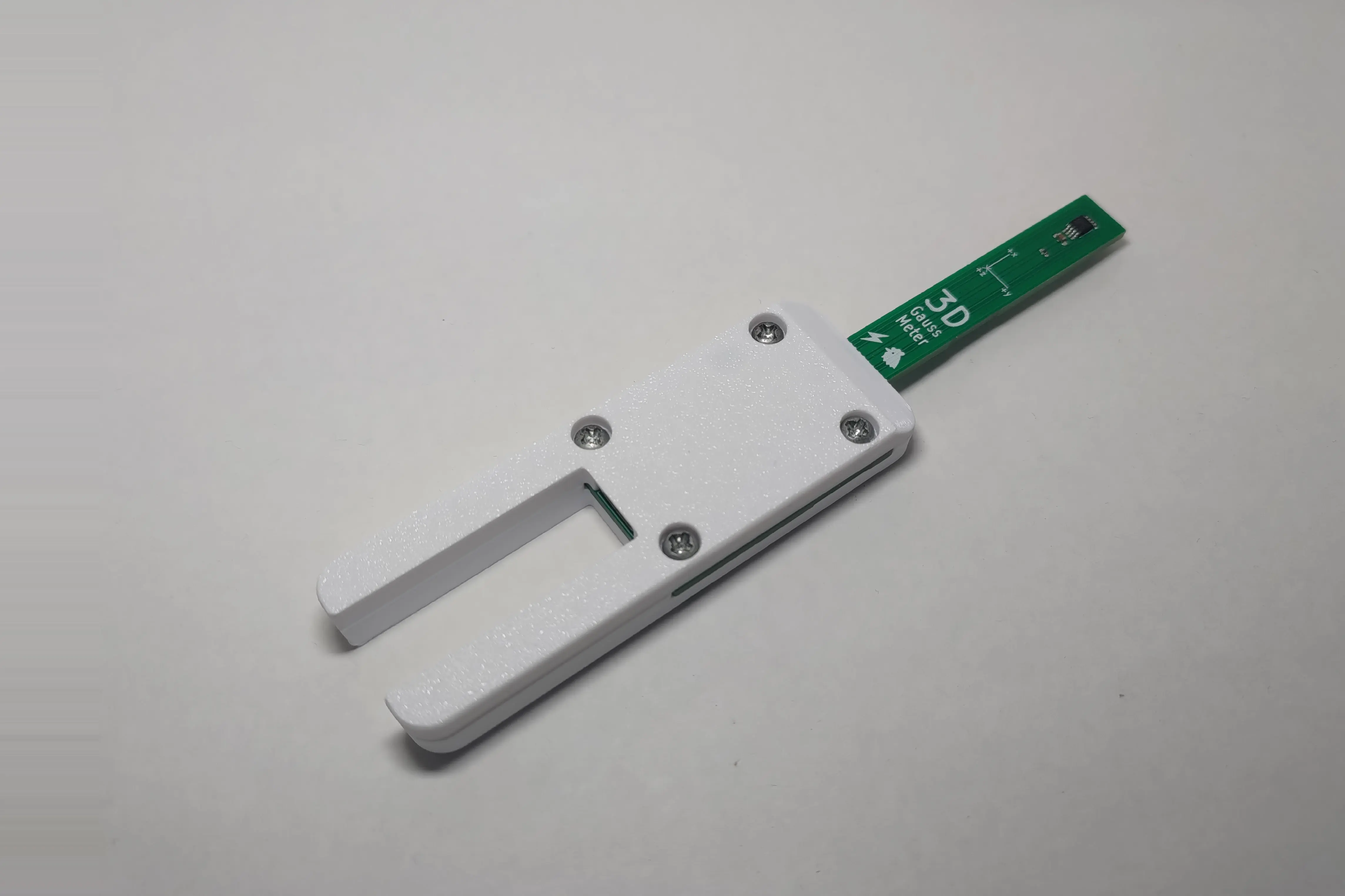
A USB 3D-Gauss Meter based on Texas Instrument's TMAG5170 Hall Sensor.
This page lists my products, you can purchase them on my Tindie store.
A USB 3D-Gauss Meter based on Texas Instrument's TMAG5170 Hall Sensor.
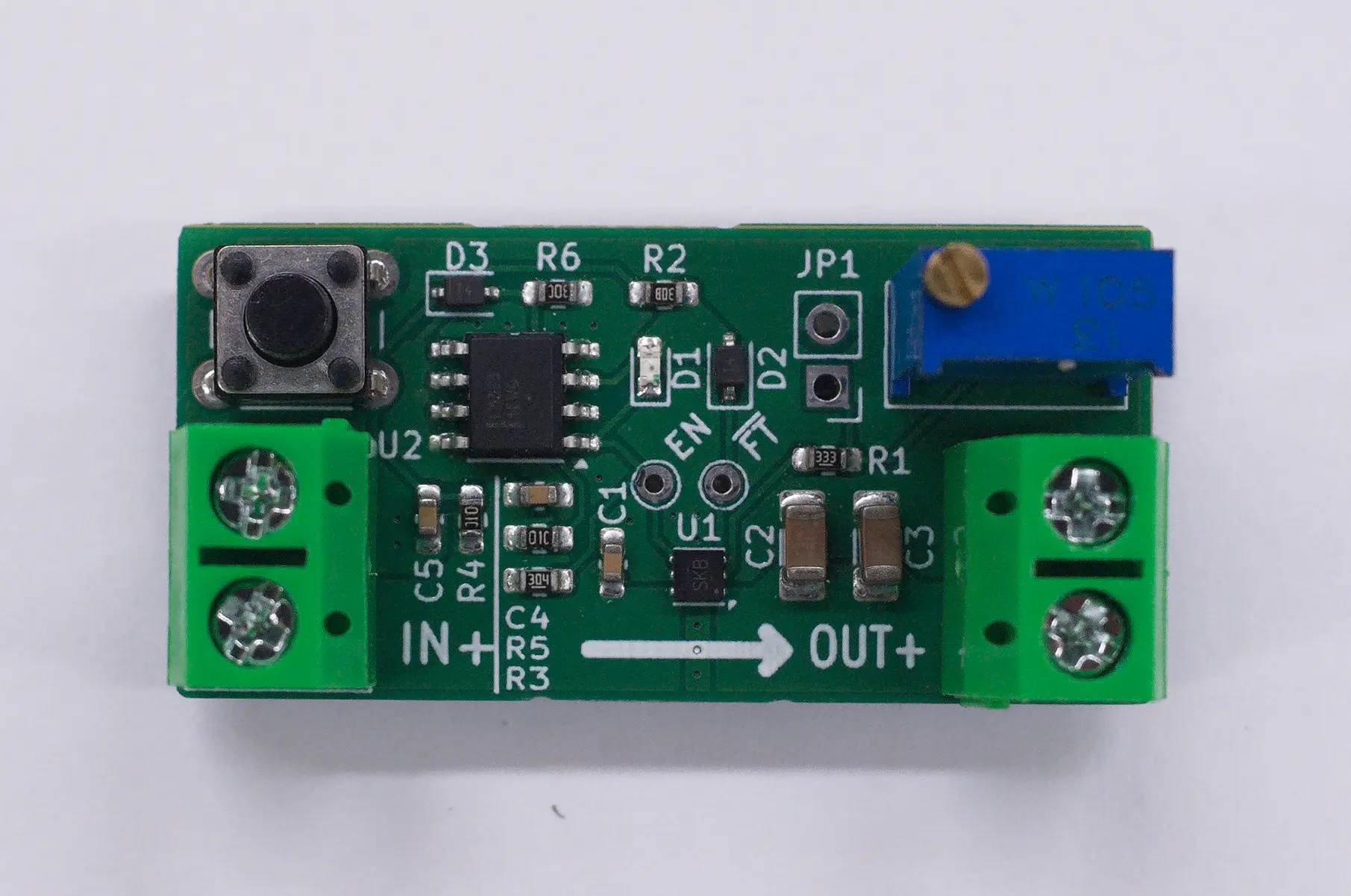
An electronic, re-settable fuse module to protect your circuit from drawing too much current.
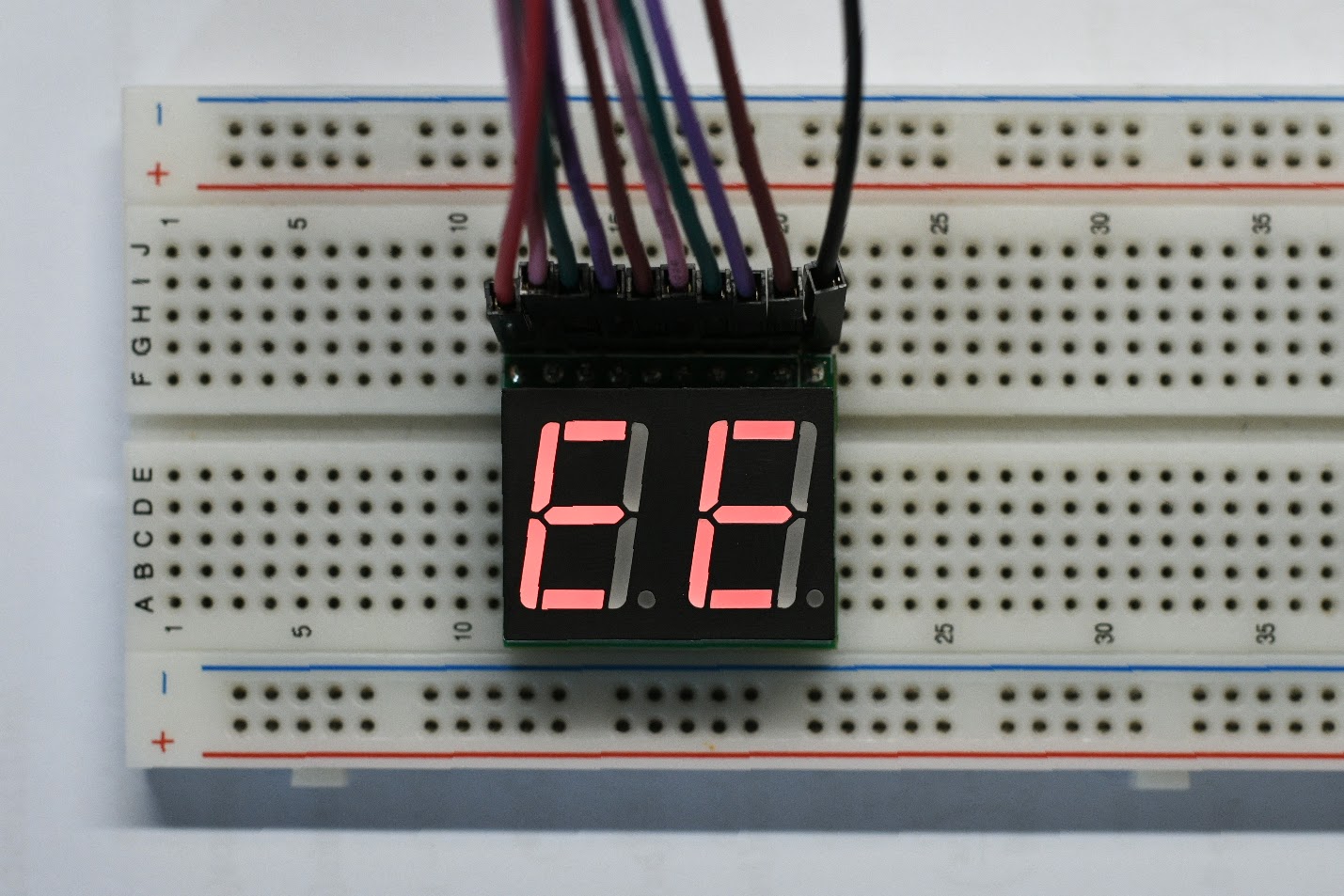
It always bothers be to connect a row of LEDs and current limiting resistors on a breadboard. Therefore, I came up with the idea of making a display module to display 8-bit buses on a breadboard. Also, sometimes it makes life a lot easier if the bus data is displayed in hexadecimal. In the end, I decided to make a 8-bit hexadecimal display that will fit on a breadboard.
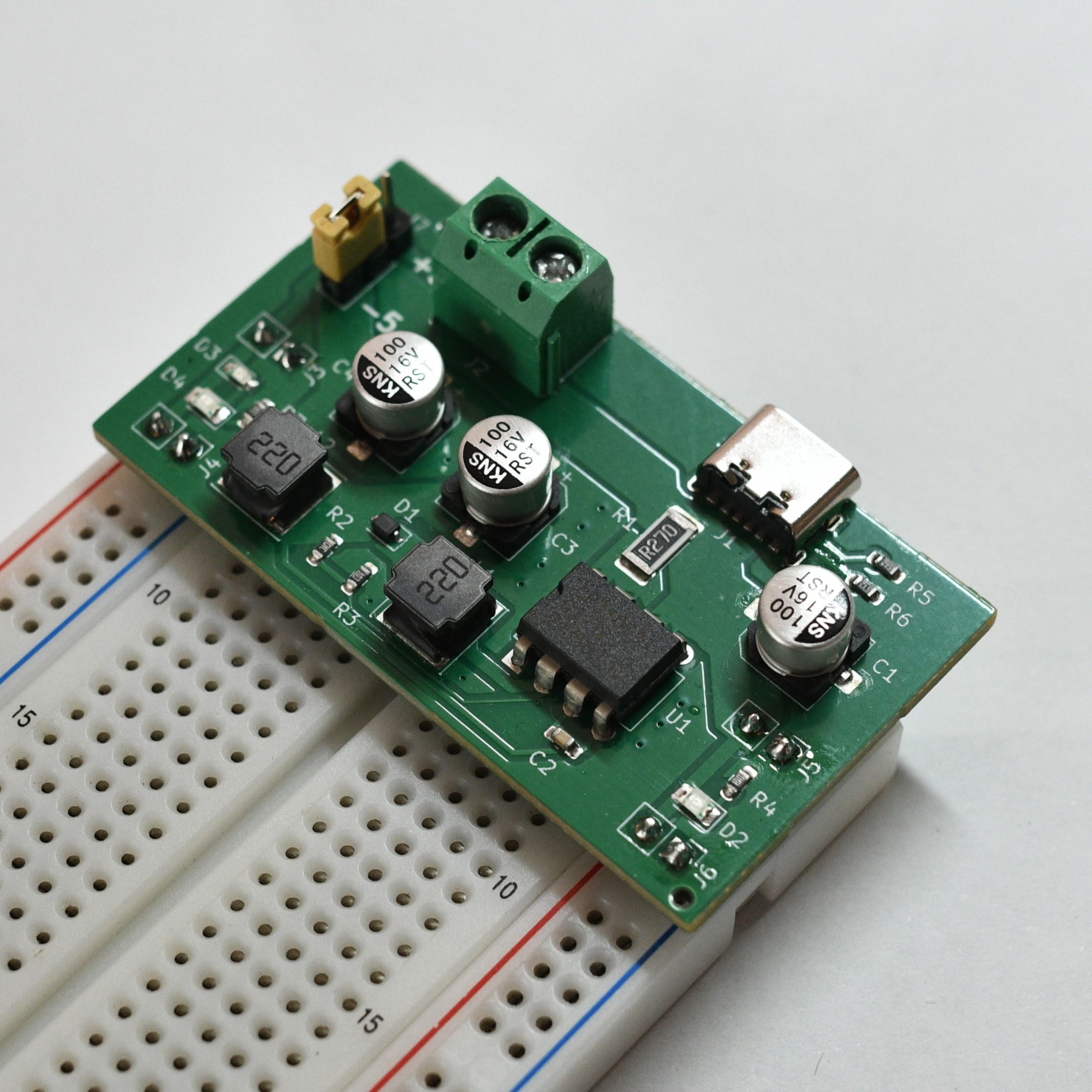
In the past, I always avoided projects that require split rail power because of the extra effort needed to get that negative rail. To solve this problem, I designed a simple +5V to -5V switching converter PCB to provide a negative rail from USB. Once connected to power via USB Type-C, the right power rail of the breadboard will be +5V and the left power rail will be -5V.
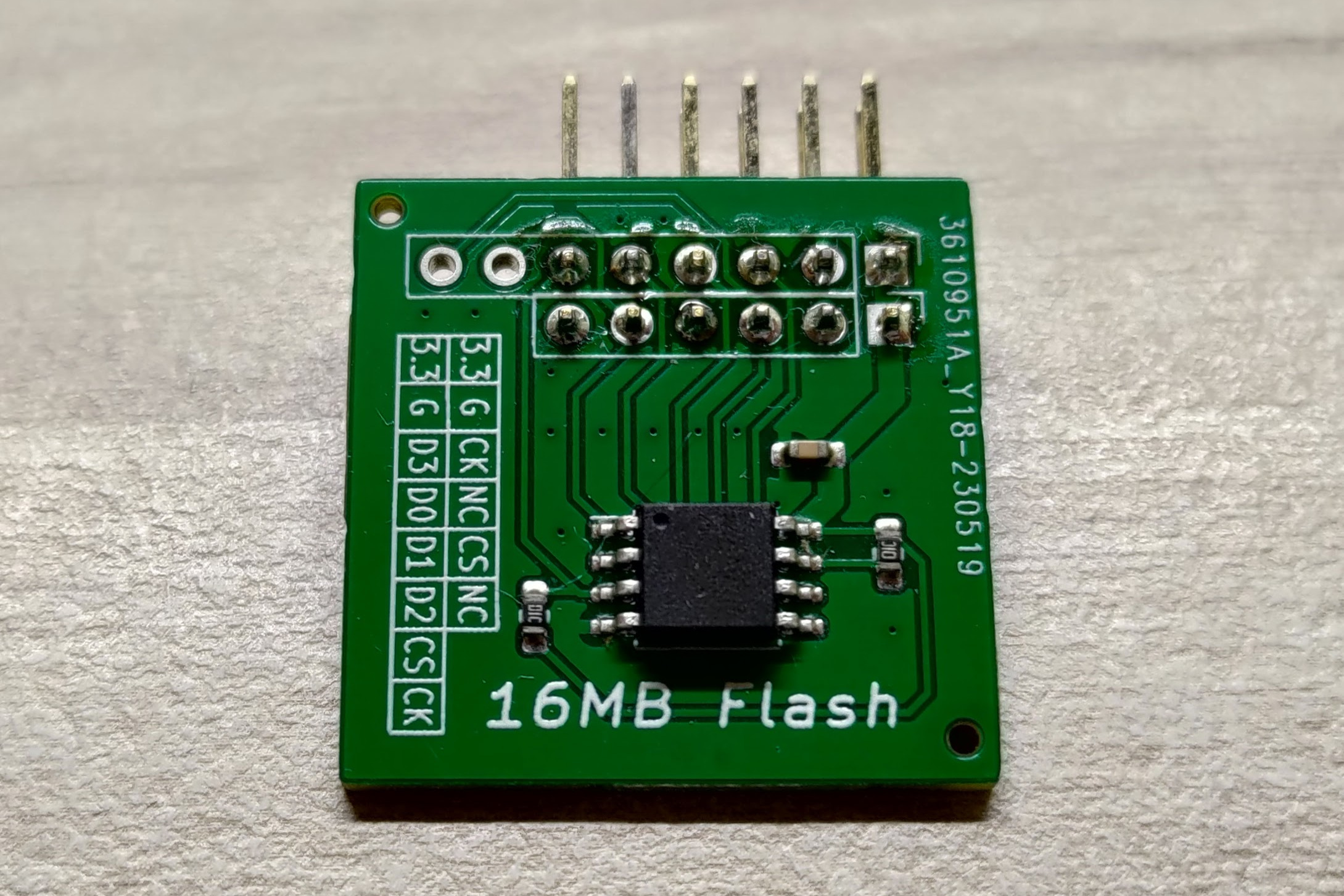
A 16MB Winbond W25Q128JVSIQ flash module with PMOD interface that can be easily connected to an FPGA.
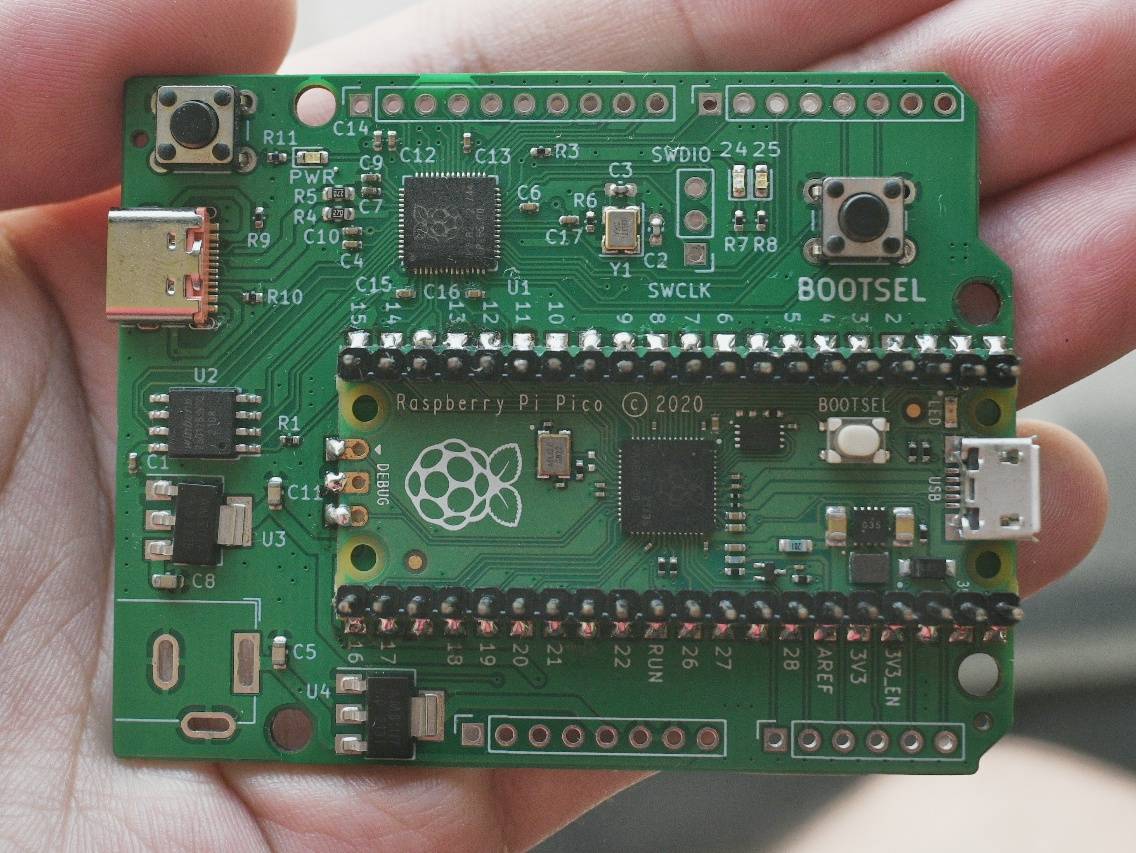
The RP2040 chip designed by Raspberry Pi has many features including the ability to emulate a SWD interface and act as the debugger for other ARM microcontrollers. Connecting two Picos together creates a mess of wires, so I came up with the idea of designing an RP2040-based board to take the job of the second of the second Pico and get rid of the messy wiring.
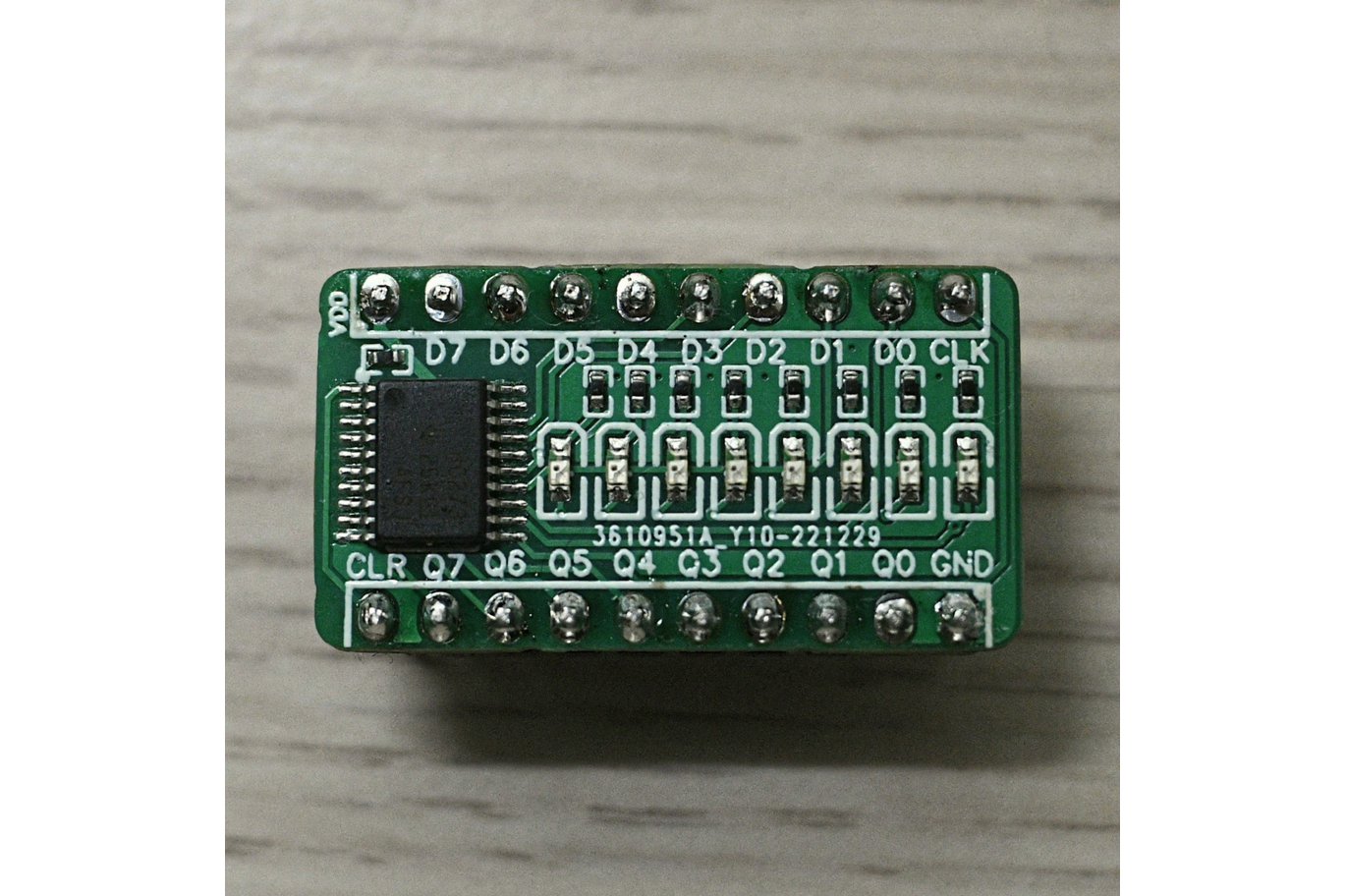
The 8-bit register breakout board shrinks the 74HC273 D-flip-flop IC and LEDs onto a PCB only a little larger than a DIP-20 package. All pins on the 74HC273 is broken out and a pull-up resistor is added to the clear pin to prevent the device resetting itself.